Bedding • Fabric guide
How to Choose Pillow Covers for Comfort, Care, and Lasting Use
A pillow cover is a small textile with a daily job: to meet the skin, manage warmth and moisture, protect an insert, and withstand the repeated motions of sleep and rest. Its fiber, fabric structure, finishing, and care requirements all shape how it performs. Looking closely at those details can help you choose a cover that feels right and remains practical over time.
At first glance, two pillow covers may appear similar. One may be smooth and cool, the other softly ridged or nubby. Those differences are not merely decorative. Fiber content influences softness, moisture handling, and warmth; construction affects stretch, drape, and surface texture; and care instructions determine whether a cover fits easily into everyday routines. The best choice is not necessarily the softest fabric on the shelf. It is the one whose qualities suit its use, the room, and the way it will be maintained.
This guide explains how to read a pillow cover’s material details, compare woven and knitted fabrics, assess fit and finishing, and interpret care labels. The same principles apply across the wider world of bedding fabrics, from pillowcases to throws and blankets.
Start with the job the cover needs to do
A pillow cover used for nightly sleep has different demands from a decorative cover on a sofa. A sleep surface stays close to the face for hours, so hand feel, breathability, and the ability to launder the fabric may be especially important. A decorative pillow cover might be handled less often, allowing texture, visual contrast, or a more delicate care routine to take priority.
Consider the setting before comparing fiber names. A warm bedroom, a cool climate, a frequently used family room, and a rarely occupied guest room create different conditions. Think, too, about who will use the pillow. Sensitive skin, a preference for crisp or plush surfaces, and a desire for low-maintenance laundering can all guide the choice. These are practical questions, not rules: personal comfort varies, and a fabric that feels inviting to one person may feel too warm, textured, or substantial to another.
- For regular sleep: prioritize a comfortable surface, suitable breathability, secure fit, and care instructions you can follow consistently.
- For a decorative accent: consider how the texture, weave, and color relate to nearby bedding and furnishings, while checking whether the maintenance is reasonable.
- For frequent handling: look for clear construction details, well-finished seams, and a closure that keeps the insert in place.
Read the fiber content, not just the fabric name
Fiber labels provide a useful starting point, but a material name alone cannot tell the whole story. Cotton, wool, cashmere, alpaca, and manufactured fibers each have distinct characteristics, yet the final feel also depends on yarn, fabric structure, finishing, and blend proportions. A cover described as a cotton blend, for example, may behave differently depending on what the other fibers are and how the yarns are made.
Cotton is widely used in bedding because it can be made into many fabric types, from crisp woven cloth to soft, stretchy knits. Its feel and performance depend on the yarn and construction as well as the fiber itself. Organic certification, where applicable, describes aspects of how fiber is grown and processed under a defined standard; it does not by itself guarantee a particular softness, weight, or lifespan.
Cashmere and alpaca are animal fibers often associated with softness and warmth. In a pillow cover, their presence may contribute a warmer, more tactile surface, particularly when blended with another fiber. Blends can balance different qualities, but the percentage matters: a small share of a specialty fiber will not necessarily make the whole fabric behave like a garment made entirely from that fiber. Check the stated composition rather than relying on descriptive phrases such as “cashmere-soft,” which may refer to feel rather than actual fiber content.
For instance, the Cordillera Alpaca Cotton Knit Pillow Cover is described as a blend of 56% alpaca and 44% Pima cotton. Its seed-stitch knit gives the surface a textured character, while an invisible zipper provides a concealed closure. It is an example of how fiber percentages and construction details together help explain what a cover may feel like and how it is finished. Its listed care is dry clean only, a detail worth weighing against intended use.
When a label gives percentages, read them as a map of composition, not as a simple quality ranking. More expensive or less common fibers are not automatically the best choice for every pillow. A durable, washable cotton cover may be more useful in a frequently used room; a delicate blend may suit a decorative cushion that is handled less often. Comfort depends on the complete textile and the person using it.
Woven or knitted: structure changes the experience
The way yarns are joined determines much of a fabric’s character. In a woven textile, yarns cross over and under one another, forming a stable structure. Depending on the weave and yarn, woven covers may feel smooth, crisp, or firm. Their relatively stable shape can help a cover look neat, although woven fabrics vary widely in drape and flexibility.
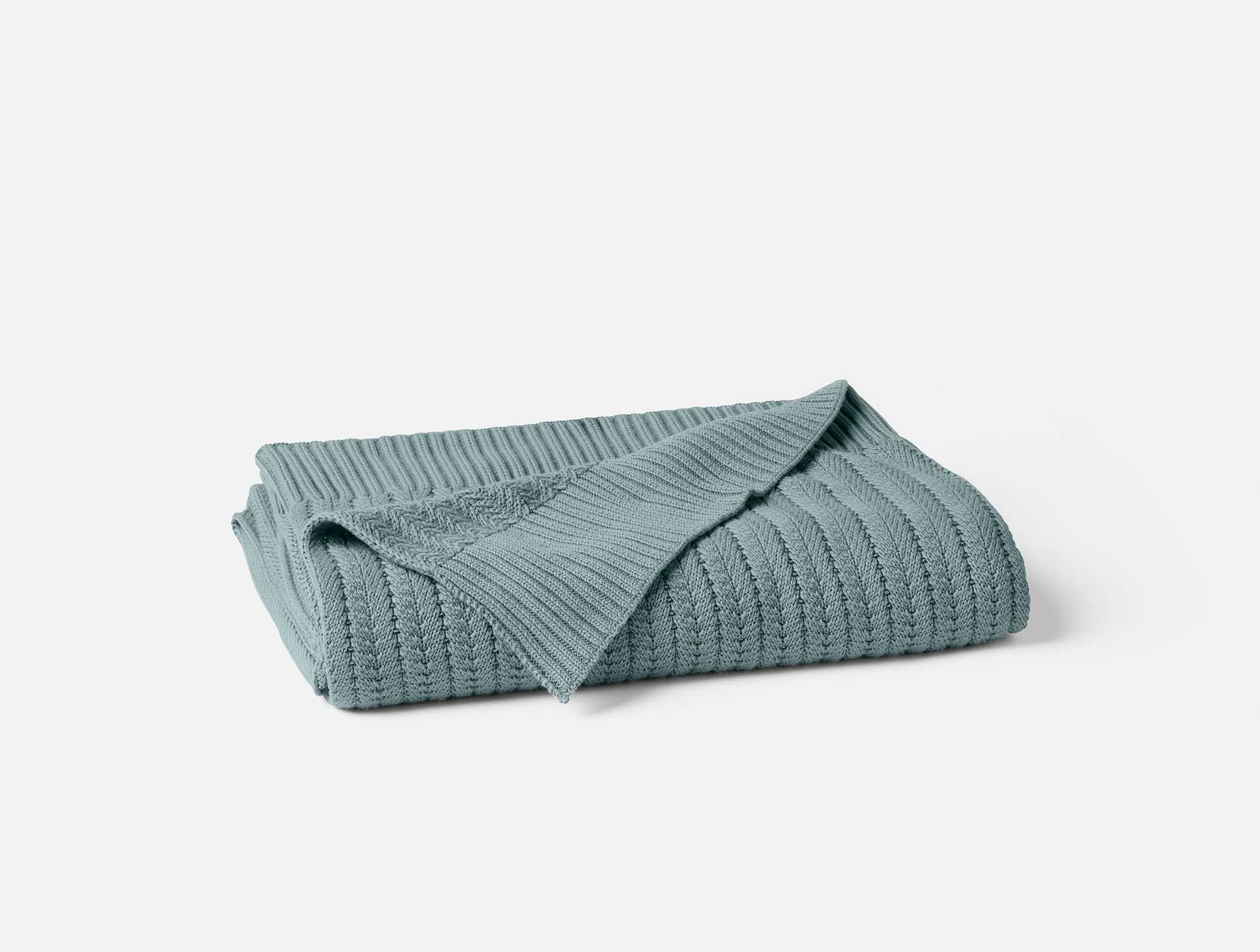
Knitted fabrics are formed from interlocking loops. This structure often allows more give and can create a softer, more pliable hand. Knits may also show distinctive surface patterns, such as ribs, seed stitches, or other raised textures. Loop structure does not guarantee a particular level of warmth or durability; yarn choice, stitch density, finishing, and use all matter. A loose or highly textured knit may catch more readily than a compact construction, while a firm knit can feel substantial and supportive.
Surface texture is especially important for a pillow cover because the face and hands encounter it repeatedly. Smooth fabrics tend to have a different tactile impression from raised knits, and seams or decorative details may become noticeable during rest. If possible, assess the surface by touch. If that is not possible, terms such as “plain weave,” “seed stitch,” “rib knit,” or “sateen” offer clues, but they are not substitutes for a complete description.
Construction also affects how the cover fits around its insert. A fabric with some stretch may accommodate small differences in insert size, while a more stable woven fabric may hold a crisp outline. Neither structure is automatically superior. The intended silhouette matters: a full, relaxed cushion and a taut, tailored pillow call for different combinations of size, fabric, and insert.
Choose a size and closure that work together
A cover should be sized for its insert and desired appearance. If it is too small, the seams and closure may be strained, and the cover can feel overly tight. If it is too large, excess fabric may gather or the pillow may look slack. Dimensions can be measured differently by makers, and fabric may respond to washing, so follow the care label and product specifications rather than assuming all nominally identical sizes will fit the same way.
The closure is another practical detail. Zippers can create a clean, contained edge, especially when concealed. Buttons, envelope flaps, and other openings each have their own appearance and ease of use. Check that the closure is secure and does not create an uncomfortable ridge in the area where the pillow will be used. Inspect the surrounding stitching as well: a thoughtfully finished opening can help the cover stay functional through handling and laundering.
Seams, hems, and edges deserve attention because they experience repeated tension. A neat seam allowance and even stitching can support a clean finish; however, appearance alone cannot prove long-term durability. Fiber quality, thread, sewing technique, and how the cover is used all contribute. Decorative fringe, piping, or raised borders may add character, but consider whether those details are comfortable and easy to maintain.
Breathability, warmth, and comfort are connected
Breathability is not a single feature that can be predicted from a fiber name alone. It is influenced by the fiber, yarn size, density, weave or knit, and any finishing applied to the cloth. A light, open construction may feel different from a dense, compact fabric made from the same fiber. Layers also matter: the insert, pillowcase, room temperature, and bedding around the pillow all affect the sensation of warmth.
The most comfortable cover is therefore not necessarily the thinnest or most insulating one. Some people prefer a cool, smooth surface; others favor a soft, textured hand. If you sleep warm, consider whether a dense or plush textile may feel too enclosing. If you want a cozy decorative cushion in a cooler room, a warmer blend or knitted structure may make more sense. These are useful starting points, but individual experience remains the best test.
Care instructions are part of the choice
A cover’s care label is not an afterthought. Washing method, water temperature, drying instructions, and professional-cleaning requirements determine how easily the textile can be maintained. A cover that calls for dry cleaning may be appropriate for a decorative pillow, but less convenient for a pillow used every night. A machine-washable cover can be easier to refresh, provided its fiber and construction tolerate the recommended cycle.
Always follow the instructions supplied for the particular textile. Fibers can respond differently to heat, agitation, detergent, and moisture. A care label may specify a cold, gentle wash, low-temperature tumble drying, air drying, or dry cleaning. Do not assume that advice for one cotton knit applies to all cotton knits, or that every cashmere blend requires the same method. The stated care instructions should take precedence over general guidance.
- Check before washing: confirm the recommended water temperature, cycle, detergent guidance, and whether the cover can be machine washed.
- Consider drying: high heat can affect some fibers and constructions. Follow the label for tumble drying or air drying.
- Protect delicate details: close zippers and fasteners where appropriate, and avoid methods that could snag textured yarns or damage trims.
- Store clean and dry: allow textiles to dry fully before putting them away, and avoid compressing delicate fabrics for long periods.
Regular care can help a cover stay pleasant to use, but no routine can prevent all wear. Friction, repeated washing, sunlight, and pressure from an insert gradually affect textiles. Pilling, softening, fading, or changes in shape may occur depending on the material and conditions. Gentle handling and realistic expectations are more helpful than assuming a fabric will remain unchanged indefinitely.
Make sustainability claims specific
For shoppers considering environmental or social responsibility, look for clear, specific information rather than broad claims. Fiber origin, manufacturing location, and named certifications can each provide a piece of the story, but they describe different things. A certification applies to defined criteria and a particular scope; it should not be treated as proof that every aspect of a product or supply chain is impact-free.
Durability and care are also part of a textile’s practical footprint. A well-used cover that suits its purpose and can be maintained appropriately may remain in service longer than one that is difficult to care for or uncomfortable in daily use. Consider whether the material, finish, and maintenance needs fit your habits. Choosing carefully and keeping a textile in use can matter as much as choosing a particular fiber label.
A simple comparison checklist
When comparing pillow covers, gather the same details for each option. This makes it easier to distinguish meaningful differences from appealing but vague descriptions.
- Fiber content: What fibers are present, and in what percentages?
- Construction: Is the fabric woven or knitted? Is a weave, stitch, or texture specified?
- Feel and use: Does the surface suit sleep, lounging, or mainly decorative use?
- Fit: Do the cover and insert dimensions match the shape you want?
- Finishing: What kind of closure, seams, hems, or decorative edges are used?
- Care: Can you follow the washing and drying requirements routinely?
- Traceability: Are origin or certification details clearly described and relevant to your priorities?
The right cover is the one you can live with
A pillow cover brings together a surprising number of textile decisions in a small area: fiber selection, yarn, fabric construction, sizing, finishing, and care. Looking beyond color and softness helps reveal how those choices may influence comfort and everyday maintenance. A smooth woven surface may suit one room; a breathable cotton knit or a textured blend may suit another.
Start with how the pillow will be used, then compare the material details and care requirements. Treat fiber names as clues, construction as an explanation of texture and structure, and care instructions as a measure of practical fit. With those details in view, it becomes easier to choose a pillow cover that feels comfortable, works with the bedding around it, and has a realistic chance of staying in use for years to come.