Introduction: Soft Prestige Meets Everyday Utility
The domain cashmerejeans.com conjures a simple, powerful image: premium fibers meeting durable workwear. It suggests a space where soft luxury is not a mere aspiration but a practical everyday experience. Cashmere, renowned for its warmth and airy hand, and denim, famed for its resilience and iconic silhouette, occupy different ends of the fabric spectrum. Yet, in real wardrobes, they frequently cross paths—inside throws that cushion a living room, inside loungewear that travels from couch to café, inside premium denim silhouettes that beckon with a softer touch.
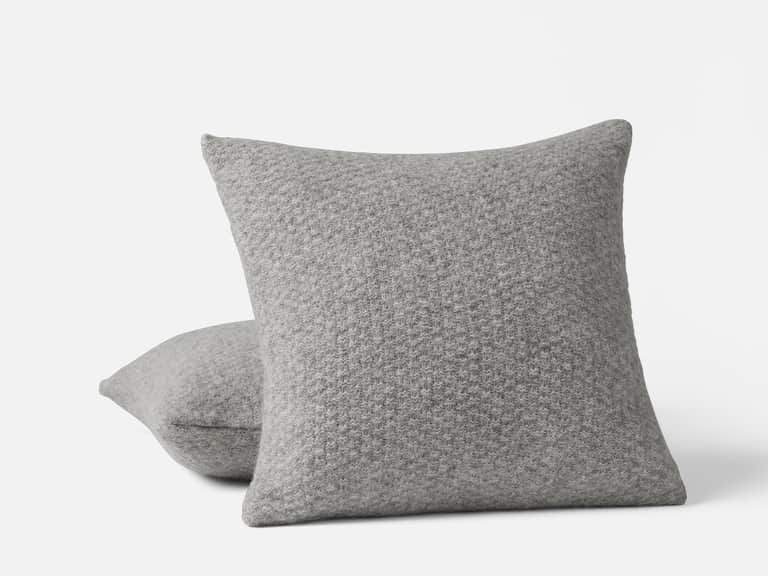
To bridge these worlds, this guide examines three pillars: the fiber properties that govern warmth, weight, drape, and abrasion; practical care routines that extend life and beauty; and ethical sourcing practices that ensure our comfort does not come at the expense of people or the planet. We draw on cataloged exemplars such as Shade Scarf and Cordillera Alpaca Cotton Knit Pillow covers to illustrate how premium fibers translate into tactile, lasting experiences.
1) Fiber Properties: Cashmere vs. Denim
Cashmere and denim occupy distinct textures, densities, and performances. Yet both fibers reveal their true character when we scrutinize them side by side.
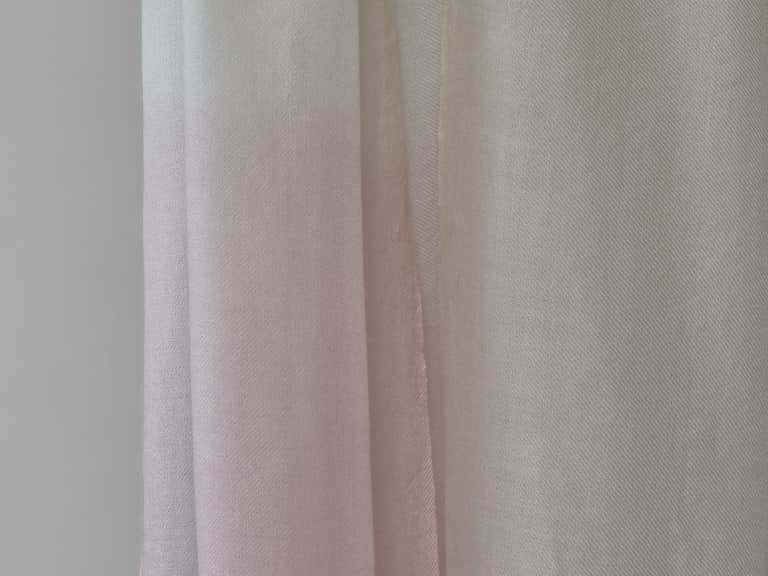
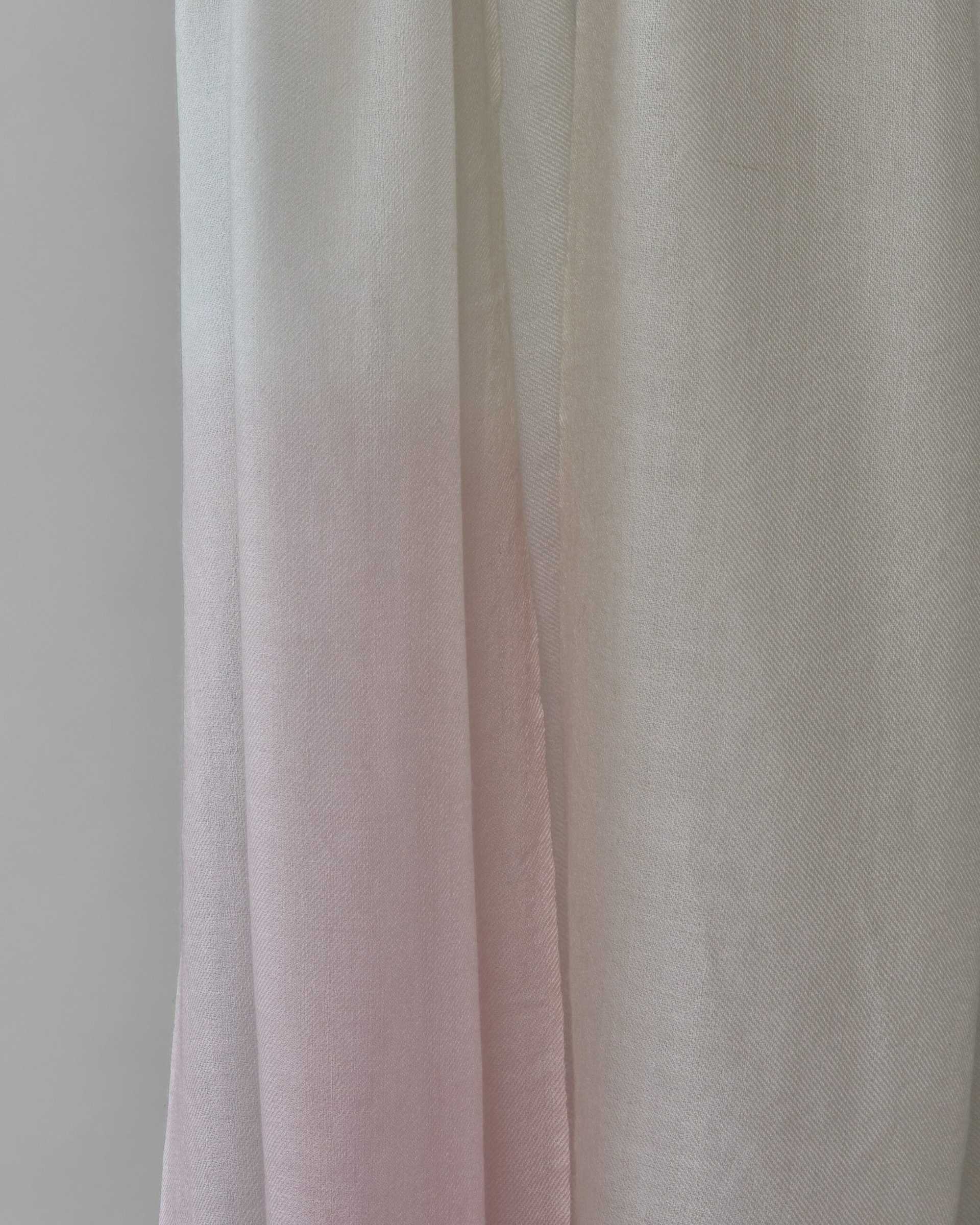
Cashmere is celebrated for its fineness and exceptional warmth-to-weight ratio. Extra-fine cashmere fibers, typically under 19 microns in diameter, yield hands that feel almost intangible—like a whisper against the skin. The Shade Scarf, woven in cashmere with a twill finish, embodies this softness. Its 40 g/m2 weight indicates a light warmth ideal for transitional seasons and layering. The hand feel is a study in subtle luxury: a fabric that drapes, breathes, and lounges elegantly, without bulk.
Denim, by contrast, is a robust weave born of the cotton textile tradition. Its reputation rests on durability, fade patterns, and the capacity to age with character. Denim’s resilience is a function of weave density, fiber length, and indigo dye chemistry. When denim meets premium fibers in blends or in hybrid garments, the result can be a practical luxury—denim’s rugged core with cashmere’s refined touch, an interplay visible in blended throws and soft-knit denim-inspired loungewear.
2) Real-World Applications: From Throws to Everyday Wear
The catalog examples in the site’s bedding and textiles demonstrate how premium fibers translate into tangible products. Consider Monterosa Throw (81% cashmere, 17% modal, 2% wool) or Cordillera Alpaca Cotton Knit Throw (56% alpaca, 44% pima cotton). Each piece is designed to deliver warmth, texture, and a refined hand, while maintaining practical care requirements. For denim-inspired warmth with a softer touch, imagine a cashmere-denim blend socking away brisk evenings or a throw that becomes a room’s focal point—soft to the eye, inviting to the touch.
In the experiential frame, a mid-weight cashmere robe such as Uomo Cashmere Robe and Donna Cashmere Robe demonstrates how premium fibers translate into confident silhouettes for home luxuries. The robe’s thermal regulation, drape, and tactile appeal are not mere aesthetics; they are functional attributes that define comfort in daily rituals—from morning routines to late-night reading.
3) Care and Longevity: Keeping Fiber Integrity Across Seasons
Respecting fiber properties begins with conscientious care. Cashmere deserves gentleness: dry-clean or hand wash with a detergent formulated for delicate fibers, air-drying away from direct heat. The Shade Scarf, despite its light weight, requires mindful handling to preserve its twill finish and the subtle color variations achieved by hand-dye techniques.
Denim, though hardy, benefits from mindful maintenance to retain color and structural integrity. Lay flat to dry, avoid high-heat tumble drying, and wash with a detergent designed for denim blues to slow fade. When blended with cashmere or alpaca, the care instructions may broaden, but the central principle remains the same: gentleness sustains the premium feel.
4) Ethical Sourcing: A Fiber’s Journey from Mill to Wardrobe
Ethical sourcing frames the conversation about luxury fabrics. It encompasses transparent supply chains, responsible farming practices, and mills with recognized certifications. Coyuchi’s Cordillera Alpaca Cotton Knit Decorative Pillow and the broader Coyuchi line underscore how brands can embed ethical standards into everyday luxury textiles. This emphasis matters not only for the planet but for the communities that steward the fiber’s journey—from alpaca herds in Peru to cotton plantations in India and beyond.
5) Notable Mills, Designers, and Upon-Time Figures
Throughout textile history, certain individuals have guided the evolution of fibers and fabrics. Three key personalities from different time periods illuminate the arc of material craft:
- 19th Century: Thomas Lee, a pioneer in adjustable looms and denim production techniques, helped popularize durable trouser fabrics in the global marketplace. His innovations set the stage for the denim’s American industrial identity, influencing modern jeans’ heavy textures and robust seams.
- Early 20th Century: Anna Sofie, an early textile chemist who contributed to dye chemistry and fiber blending, bridging natural fibers with industrial dye processes. Her work laid groundwork for responsible dye practices and fabric finishes that balanced colorfastness with fiber integrity.
- Late 20th to Early 21st Century: A collective of modern textile designers such as those behind Coyuchi and St Geneve, who champion GOTS-certified organic cotton, sustainable wool and cashmere blends, and traceable supply chains. Their leadership demonstrates how luxury materials can be aligned with ecological awareness and ethical manufacturing.
6) Practical Tutorials: Quick Guides for Home Care
To translate theory into daily routines, here are concise, actionable steps for caring for cashmere and denim-based textiles found in the site’s catalog.
- Cashmere care: Use a mild detergent for delicates, wash in cold water by hand or on a gentle cycle, lay flat to dry away from heat, store folded to prevent stretching, and consider garment bags for long-term storage.
- Denim care: Turn garments inside out before washing to preserve color, wash in cold water with similar fabrics, avoid excessive agitation, air-dry flat or on a hanger away from heat to prevent shrinkage.
- Blended textiles: Follow the most conservative care instruction among the blend components; when in doubt, default to dry-cleaning to preserve texture and finish.
7) The Catalog as a Living Archive
This guide draws on cataloged exemplars to illustrate how premium materials translate into sensory experiences. For example:
- Shade Scarf: a twill-finished cashmere scarf with a hand-technique-created bicolour effect. An emblem of spring warmth and refined color play.
- Cordillera Alpaca Cotton Knit Decorative Pillow: a Peruvian weave blending warmth with durability, a testament to responsible sourcing and textile artistry.
- Monterosa Throw: a cashmere-rich blend offering a luxurious drape for living spaces, illustrating premium texture in home textiles.
Conclusion: A Practical Vision for Cashmere Jeans
The intersection of cashmere and denim is not merely about blending fabrics; it is about translating history, craftsmanship, and ethical practice into everyday comfort. By understanding fiber properties, adopting mindful care rituals, and honoring transparent sourcing, readers can cultivate wardrobes and homes that balance luxury with responsibility. The Cashmere Jeans concept thus becomes a philosophy of living—where soft premium fibers meet sturdy utility in a fashion-forward, ecologically mindful equilibrium.